

If you’ve ever wondered why athletes and wellness enthusiasts swear by alternating between hot tubs and cold plunges, the answer lies in a powerful physiological process called contrast therapy. This ancient practice, now backed by modern science, creates a cascade of beneficial effects that neither temperature extreme can achieve alone.
What Is Contrast Therapy And How Does It Work?
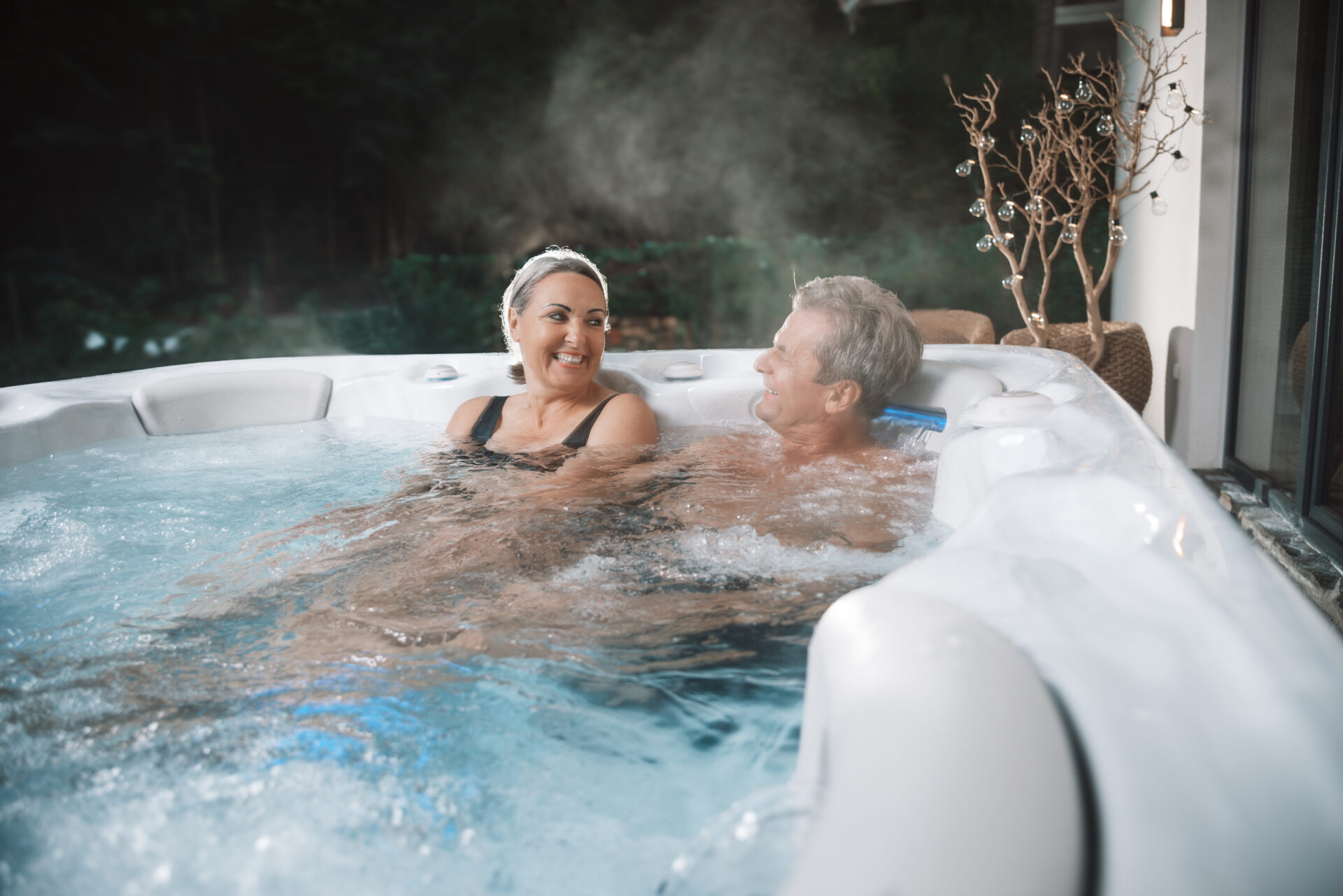
Contrast therapy involves alternating between hot and cold water immersion to trigger specific physiological responses in your body. When you soak in hot water at 104°F, your blood vessels expand through a process called vasodilation. This increased blood flow delivers oxygen and nutrients throughout your body while your muscles relax and tension melts away.
When you then plunge into cold water between 39-50°F, your blood vessels rapidly constrict through vasoconstriction. This creates a pumping effect that flushes metabolic waste products, including lactic acid and inflammatory markers, from your tissues.
The alternating expansion and contraction acts like an internal massage for your circulatory system, improving overall blood flow and tissue recovery.
What Happens To Your Body During Cold Exposure After Heat?
The sequence of hot followed by cold triggers a remarkable hormonal response cascade that amplifies the benefits of cold water therapy alone.
Norepinephrine Production
Cold exposure after heat priming can increase norepinephrine levels by up to 500%. This neurotransmitter sharpens mental focus, elevates mood, and plays a crucial role in reducing inflammation throughout your body. The pre-warming from hot water appears to prime your nervous system for a more robust response to the cold.
Endorphin Release
The temperature contrast stimulates your body to release endorphins, natural pain relievers that create feelings of euphoria and well-being. Many users report an energized, positive mood that lasts for hours after their session.
Brown Fat Activation
Regular contrast therapy activates brown adipose tissue, a specialized type of fat that burns calories to generate heat. This metabolic activation continues even after you’ve finished your session, supporting healthy weight management and metabolic function.
What Are The Optimal Timing Protocols For Contrast Therapy?
The most effective contrast therapy follows a specific pattern that maximizes benefits while maintaining safety.
Standard Protocol
- Hot water exposure: 10-15 minutes at 104°F
- Cold plunge: 2-3 minutes at 39-50°F
- Repeat the cycle 2-3 times
- Always end with cold exposure
Why Start With Heat
Beginning with a hot tub reduces the cold shock response that can make initial cold plunges uncomfortable or even dangerous. The pre-warming raises your core temperature, making the subsequent cold exposure more tolerable. This approach allows beginners to build tolerance gradually while still experiencing the full benefits of contrast therapy.
For those new to cold plunging, the heat-first method significantly improves adherence. You’re more likely to stick with a practice that feels challenging but manageable rather than shocking and overwhelming.
How Does Contrast Therapy Benefit Athletes?
Athletes have adopted contrast therapy as a cornerstone of their recovery protocols, and research supports their enthusiasm.
- Faster Recovery Times
Studies show athletes using contrast therapy experience faster recovery times compared to passive rest. The improved circulation helps clear exercise-induced waste products while delivering fresh oxygen and nutrients to fatigued muscles.
- Reduced Muscle Soreness
The anti-inflammatory effects of the temperature contrast help minimize delayed onset muscle soreness (DOMS). Athletes report being able to return to intense training sessions sooner with less residual stiffness.
- Enhanced Performance
Regular contrast therapy users often notice improvements in subsequent workout performance. The accelerated recovery means muscles are fresher and more prepared for the next training session.
Can Contrast Therapy Help With Arthritis And Joint Pain?
Many arthritis sufferers have found significant relief through regular contrast therapy sessions.
The heat component soothes stiff joints and increases flexibility by warming connective tissues. The subsequent cold exposure reduces inflammatory markers that contribute to joint pain and swelling. Users with osteoarthritis and rheumatoid arthritis report improved mobility and decreased pain levels after incorporating contrast therapy into their wellness routines.
The pumping action of the vascular response also helps flush inflammatory cytokines from joint spaces, providing relief that can last well beyond the therapy session itself.
How Does Contrast Therapy Improve Sleep Quality?
One of the most appreciated benefits of contrast therapy is its profound effect on sleep.
The final cold plunge lowers your core body temperature, which signals your body to prepare for sleep. This temperature drop mimics the natural decline that occurs in the evening as part of your circadian rhythm. The cold exposure also stimulates melatonin production, the hormone responsible for regulating your sleep-wake cycle.
Many users report falling asleep faster and experiencing deeper, more restorative sleep after evening contrast therapy sessions. The combination of physical relaxation from the heat, the endorphin release, and the temperature-induced melatonin creates ideal conditions for quality rest.
Who Should Avoid Contrast Therapy?
While contrast therapy offers impressive benefits for most people, certain individuals should consult their healthcare provider before starting or avoid the practice entirely.
Medical Conditions Requiring Caution
- Cardiovascular disease or history of heart problems
- Uncontrolled high blood pressure
- Pregnancy
- Open wounds or skin infections
- Severe Raynaud’s disease
- Cold urticaria (cold allergy)
- Recent surgery or acute injuries
The dramatic temperature changes place stress on the cardiovascular system. Anyone with compromised heart function should seek medical clearance before attempting contrast therapy.
What Are The Proper Breathing Techniques During Temperature Transitions?
Your breathing pattern significantly influences how your body responds to temperature extremes.
During Hot Water Immersion
Breathe slowly and deeply through your nose. This promotes relaxation and prevents overheating. If you find yourself breathing rapidly or feeling lightheaded, exit the hot tub and cool down.
During Cold Water Entry
As you enter the cold plunge, focus on maintaining slow, controlled breathing. The initial shock triggers a gasp reflex, but consciously controlling your breath helps regulate your nervous system response. Inhale slowly through your nose, exhale gradually through your mouth. This technique prevents hyperventilation and helps your body adapt to the cold more effectively.
Between Cycles
Take a brief moment between temperature transitions to allow your breathing to normalize. Stand or sit in a comfortable environment and breathe naturally before moving to the next phase.
What Are The Signs Of Overexposure To Temperature Extremes?
Recognizing when you’ve reached your limit prevents injury and ensures safe practice.
Heat Overexposure Symptoms
- Dizziness or lightheadedness
- Nausea
- Rapid heartbeat
- Excessive sweating followed by stopped sweating
- Confusion or disorientation
If you experience these symptoms, exit the hot water immediately, move to a cool environment, and drink water.
Cold Overexposure Symptoms
- Intense shivering that doesn’t stop
- Numbness or loss of sensation in extremities
- Slurred speech or confusion
- Pale or bluish skin color
- Loss of coordination
Exit the cold water if these symptoms appear, warm up gradually with blankets and warm (not hot) beverages, and seek medical attention if symptoms persist.
Experience The Power Of Contrast Therapy At Home
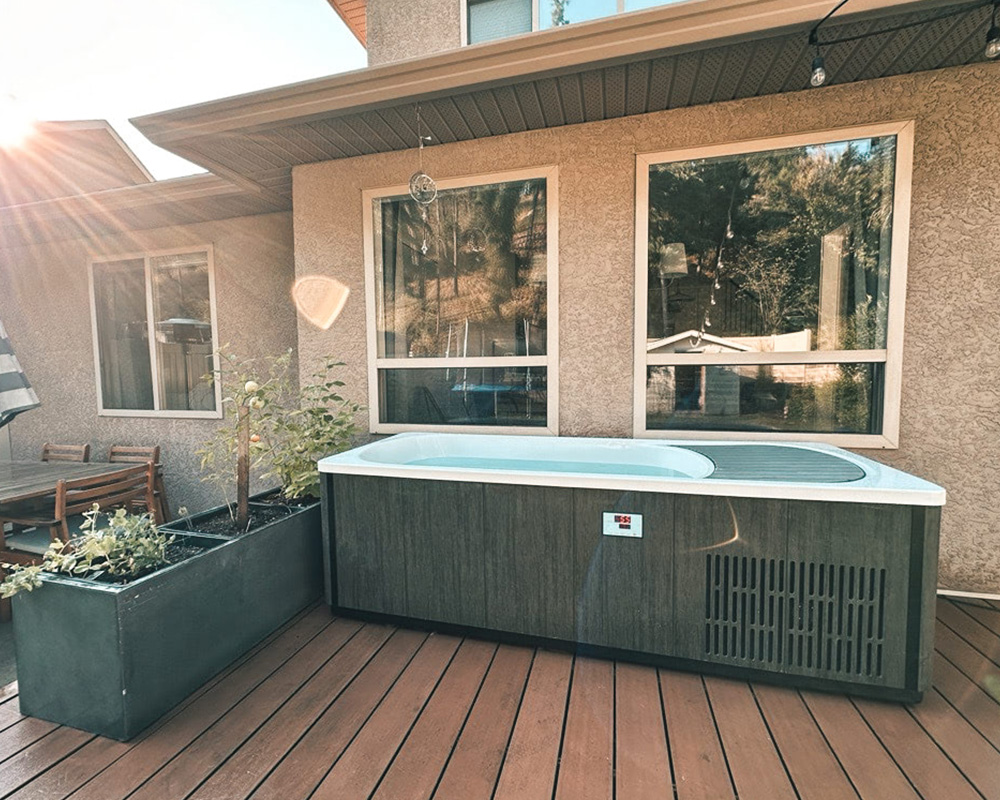
The Kodiak Cold Plunge offers an ideal solution for home contrast therapy. With its temperature range from 40-104°F, you can experience both hot and cold therapy in a single unit. The 115-gallon capacity provides comfortable full-body immersion, while the included heat pump and chiller maintain precise temperature control.
The plug-and-play design means you can start your contrast therapy practice without complex installation. The insulated cover helps maintain your desired temperature between sessions, making it easy to incorporate this powerful wellness practice into your daily routine.
Whether you’re an athlete seeking faster recovery, someone managing chronic pain, or simply looking to optimize your health and sleep quality, contrast therapy offers evidence-based benefits that can transform your wellness journey. Start with shorter durations and fewer cycles, then gradually build up as your body adapts to this invigorating practice.
Why Choose The Kodiak Cold Plunge?
- Complete temperature control from 40-104°F for optimal contrast therapy
- 115-gallon capacity for comfortable full-body immersion
- Plug-and-play installation with included heat pump and chiller
- Insulated design maintains precise temperatures
- Sleek cabinet design fits beautifully indoors or outdoors
- Non-slip comfort mat for safety during temperature transitions
Start your contrast therapy journey and discover why alternating between hot and cold water creates results that neither temperature can achieve alone.