

Most hot tub owners are missing a critical step in their maintenance routine. While they diligently add sanitizer and test pH levels, they overlook the importance of proper hot tub shock treatment. This comprehensive spa shocking guide will walk you through everything you need to know about when, how, and why to shock your hot tub water for optimal cleanliness and safety.
Understanding Hot Tub Shock Treatment
Hot tub shock treatment involves adding oxidizing chemicals to eliminate organic contaminants and break down chloramines that regular sanitizing cannot handle. Unlike daily sanitizing, which primarily kills bacteria and viruses, shocking oxidizes organic waste like sweat, body oils, cosmetics, and dead skin cells that accumulate in your spa water.
Every time you use your hot tub, these organic compounds combine with your regular sanitizer to form combined chlorine, also known as chloramines. According to the CDC, chloramines cause that strong chemical smell, which is often mistaken for “too much chlorine” and can irritate your skin, eyes, and respiratory system. The shocking process breaks these bonds, allowing your sanitizer to work more effectively while eliminating unpleasant odors and potential irritation.
Types of Hot Tub Shock Treatments
Chlorine-Based Shock
Chlorine shock typically contains sodium dichlor, the same active ingredient found in regular hot tub chlorine, but in higher concentrations. This type provides both oxidation and additional sanitization, making it ideal for heavily contaminated water or when you need to reset your spa’s chemistry completely. Calcium hypochlorite is another option, though it can increase calcium hardness levels and should be pre-dissolved before adding to prevent damage to your spa surfaces.
Non-Chlorine Shock (Potassium Monopersulfate)
Non-chlorine shock goes by several names, like MPS, oxidizer, or potassium monopersulfate. Think of it as the gentler cousin of chlorine shock. It cleans up the organic mess in your water without adding more chlorine, which means your existing sanitizer can focus on what it does best—killing germs.
The best part? You can usually hop back in your hot tub after just 15-30 minutes, compared to waiting several hours with chlorine shock. This makes it perfect for weekly maintenance. Popular options include Mineral Harmony Refresh for standard hot tubs, FROG Maintain packets for convenient single-use treatments, or FROG Maintain for swim spas for larger applications.
However, it’s important to note that research found that potassium monopersulfate can cause contact dermatitis in some individuals, particularly men between the ages of 45 and 80. Anyone experiencing unexplained skin irritation should discontinue MPS use.
Ozone and UV System Considerations
If your hot tub features ozone or UV sanitization systems, you may need to shock less frequently since these advanced systems help break down organic contaminants continuously. However, shocking remains necessary during periods of heavy use or when water quality issues arise.
When to Shock Your Hot Tub
Establishing a regular shocking schedule prevents water quality problems before they start. For routine maintenance, perform non-chlorine shock treatment weekly or after every few uses, depending on bather load. Heavy use periods, such as after parties or when multiple people use the spa, require immediate shocking to handle the increased organic load.
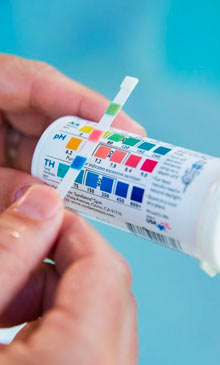
Watch for warning signs that indicate immediate shocking is needed: cloudy water, strong chemical odors, skin or eye irritation after soaking, or when your test strips show combined chlorine levels above 0.5 ppm. During the Triangle area’s busy summer months, when hot tub use increases, you may need to shock more frequently to maintain water quality.
Step-by-Step Hot Tub Shocking Process
Pre-Shock Preparation
Before adding any shock treatment, test and balance your water chemistry using quality test strips or FROG test strips for FROG system users. The pH should be between 7.2 and 7.6 for shock treatments to work effectively. Remove your hot tub cover and any floating accessories, and ensure your circulation system is running. Gather safety equipment including gloves and eye protection, especially when handling chlorine-based shocks.
Shocking Process
Calculate the proper shock dosage based on your hot tub’s water capacity. For routine maintenance, this is typically 1-2 ounces per 100 gallons, though heavy contamination may require higher amounts. For powdered shock that requires pre-dissolving, use a clean bucket filled with hot tub water, never tap water. Add the shock to the water, not water to shock, to prevent dangerous chemical reactions.
With your jets running for proper circulation, slowly pour the dissolved shock around the perimeter of your spa. Broadcast them evenly across the water surface for granular shocks that can be added directly while circulation continues. The active water movement ensures even distribution and prevents localized high concentrations that could damage spa surfaces.
Maintain circulation for at least 15-20 minutes after adding shock to ensure thorough mixing. Keep the cover off during this period to allow proper ventilation, which is especially important since research shows that enclosed areas can concentrate chlorine vapors, potentially causing respiratory irritation.
Post-Shock Procedures
Wait times vary by shock type: non-chlorine shock typically allows re-entry after 15-30 minutes, while chlorine shock requires waiting until free chlorine levels drop back to safe ranges of 1-3 ppm, which can take several hours. Retest your water before use and adjust sanitizer levels if needed. Only replace the cover once chemical levels return to normal ranges.
Safety Precautions and Best Practices
Personal safety should be your top priority when handling shock chemicals. Always wear protective equipment and store chemicals in a cool, dry place away from children and pets. Never mix different types of chemicals, as this can create dangerous reactions. Ensure adequate ventilation during the shocking process, particularly in indoor installations.
Read manufacturer instructions carefully, as dosages and procedures can vary between products. Dispose of empty chemical containers properly according to local regulations, and never reuse containers for other purposes. If accidental exposure occurs, flush the affected area with clean water and seek medical attention if irritation persists.
Common Hot Tub Shocking Mistakes
Many hot tub owners underdose their shock treatments, failing to achieve the oxidation breakthrough needed to eliminate chloramines effectively. Conversely, overdosing wastes chemicals and can damage spa components. Always shock with properly balanced pH levels, as effectiveness diminishes significantly when water is too alkaline or acidic.
Adding shock directly to the spa without pre-dissolving (when required) can cause staining or equipment damage. Similarly, not running circulation during treatment prevents proper distribution and reduces effectiveness. Using the spa too soon after shocking can cause skin irritation, while mixing different shock types simultaneously can create dangerous chemical reactions.
Troubleshooting Shock Treatment Issues
If water remains cloudy after shocking, there may be insufficient dosage, poor circulation, or filter problems. If cloudiness persists, clean or replace filters and consider a second shock treatment. Persistent chloramine problems despite regular shocking may indicate insufficient sanitizer levels or overwhelming organic contamination requiring professional assessment.
Scale formation after using calcium hypochlorite shock suggests high calcium hardness levels in your water. Switch to sodium dichlor or non-chlorine shock, and consider partially draining and refilling your spa. When troubleshooting becomes complex or water quality issues persist despite proper shocking, consulting a professional hot tub service ensures a safe resolution.
Maintaining Crystal Clear Water
Proper hot tub shock treatment is essential for maintaining safe, comfortable water that enhances your spa experience. By understanding the different shock types, establishing regular treatment schedules, and following proper procedures, you’ll enjoy consistently clean water while protecting your investment.
Remember that shocking works best as part of a comprehensive maintenance routine that includes regular sanitizing, pH balancing, and filter cleaning. Combined with proper shocking techniques, these practices ensure your hot tub remains a healthy retreat for relaxation and wellness throughout the year.
If you’re experiencing persistent water quality issues or need professional guidance on shock treatments, the experts at Jacuzzi Hot Tubs of the Triangle are here to help. With years of experience serving Triangle area hot tub owners, they can provide personalized advice and professional service to keep your spa running at its best. Contact us today or visit our showroom to learn more.